Plasters
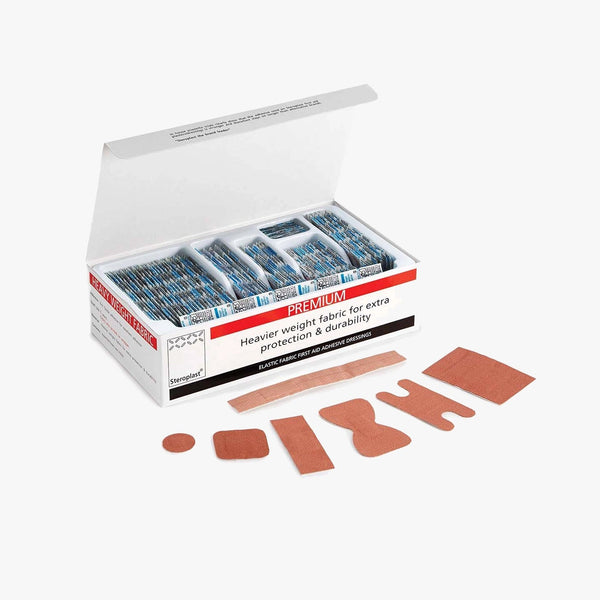
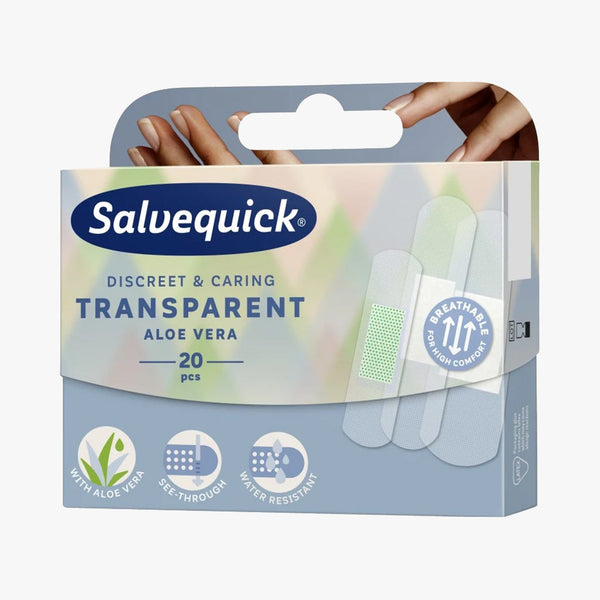
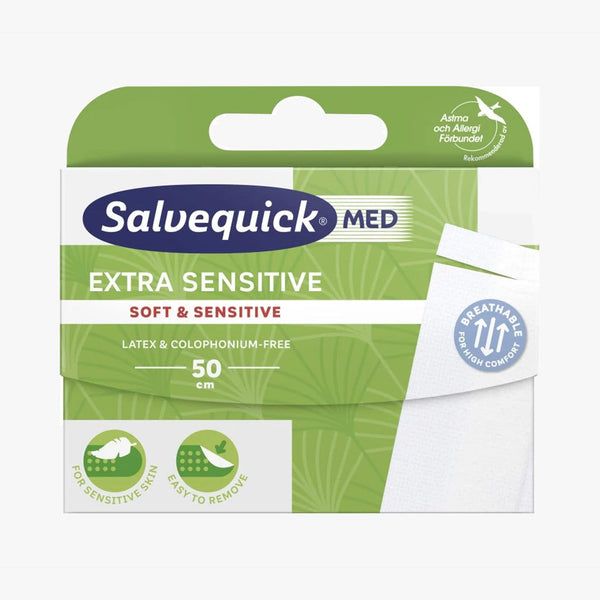
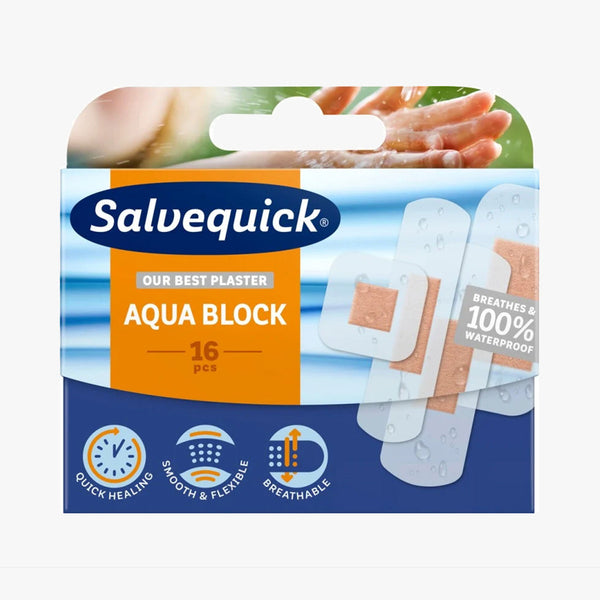
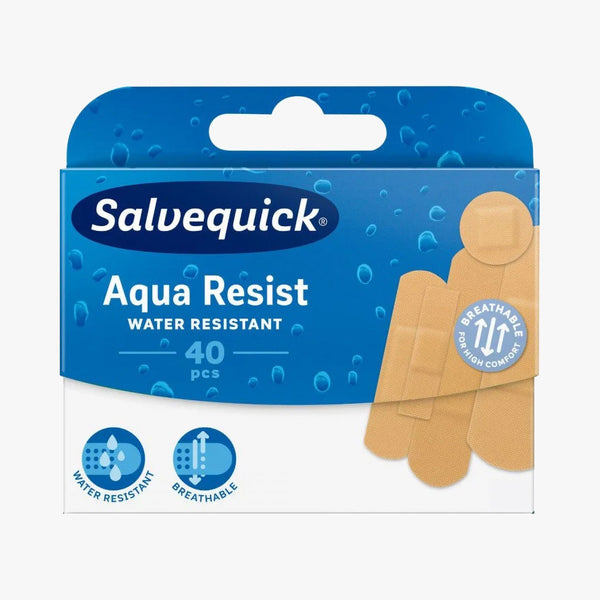
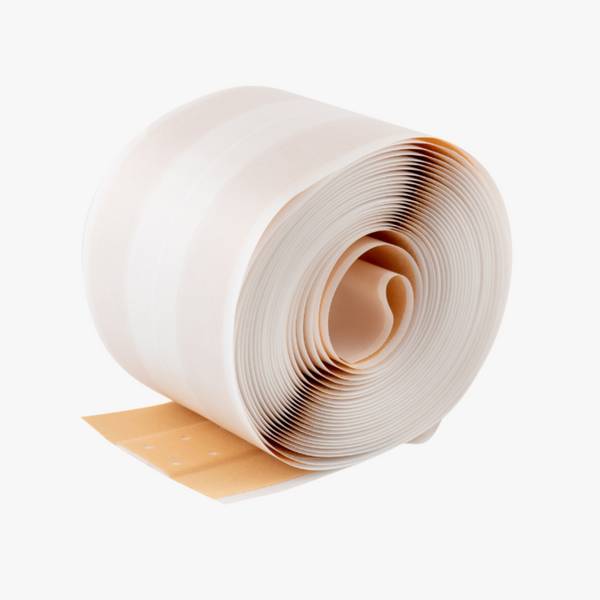
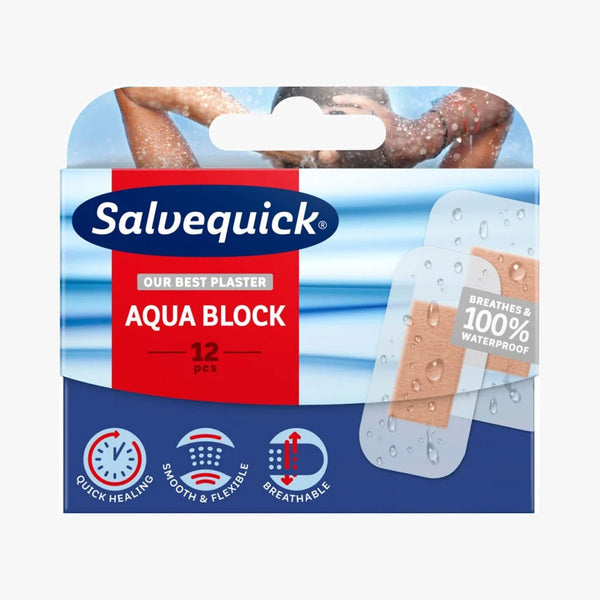
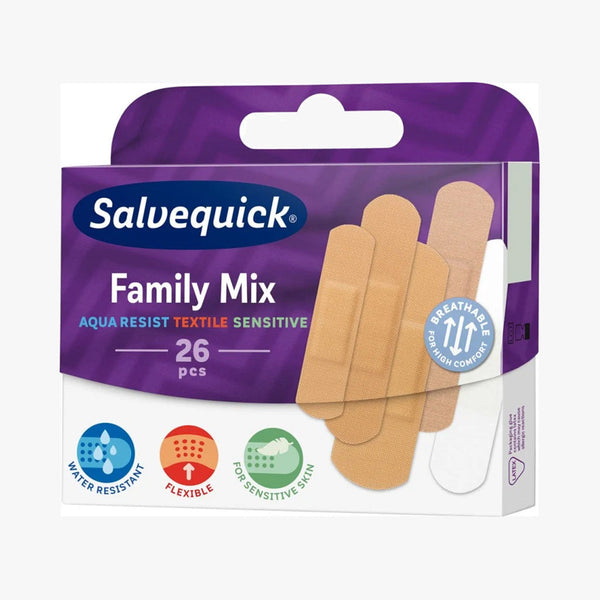
Fabric plasters move with you and stay on fingers and knuckles, waterproof ones cope with wet conditions, and plasters on a roll are cut to the size the wound actually is.
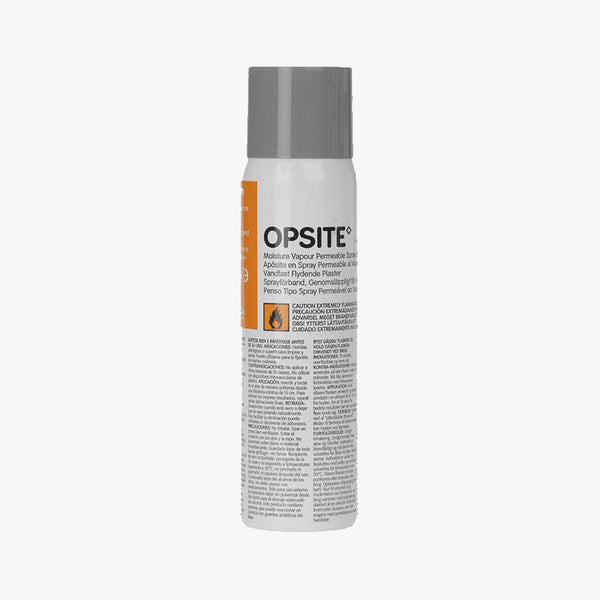
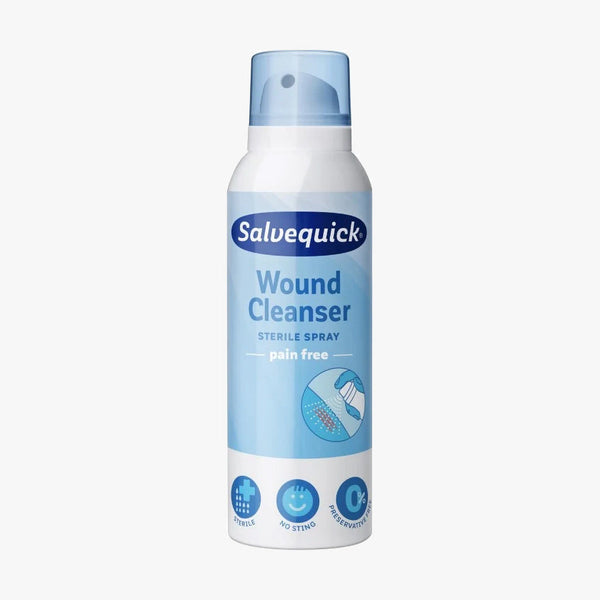
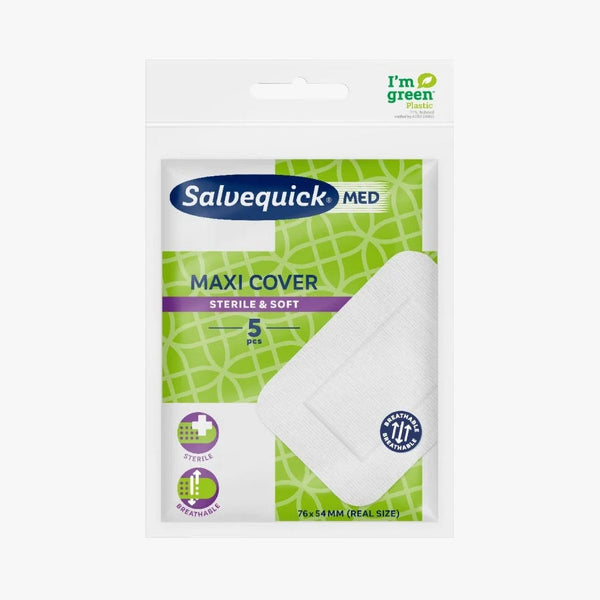
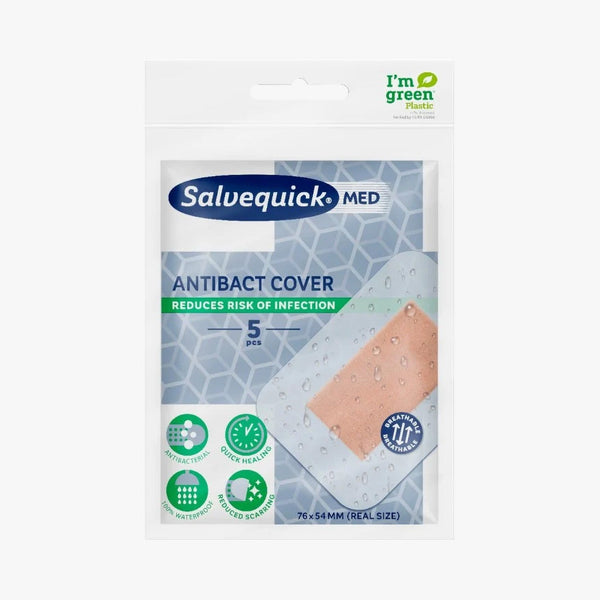
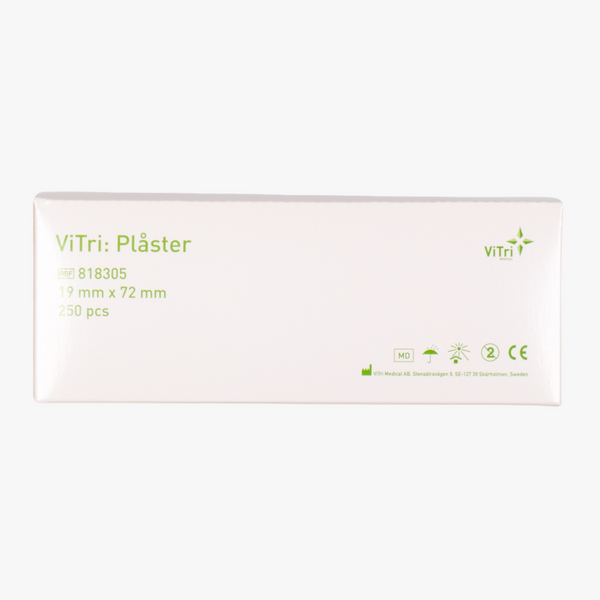
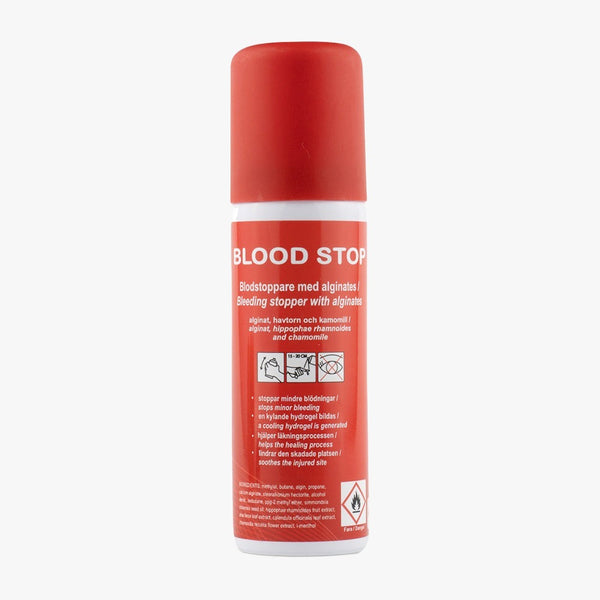
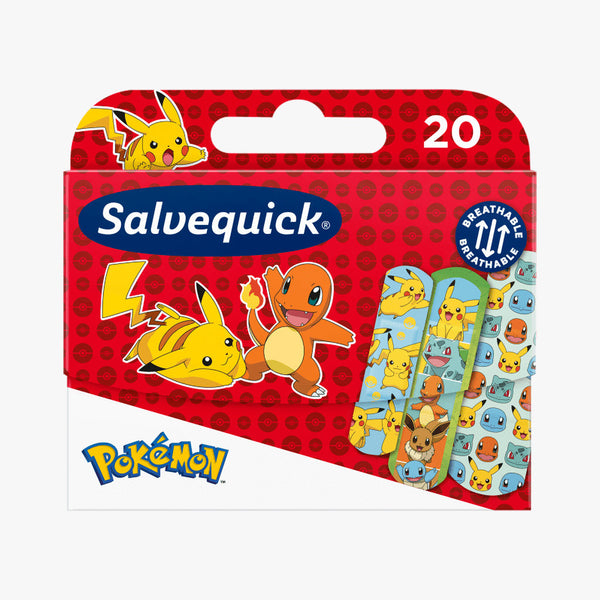
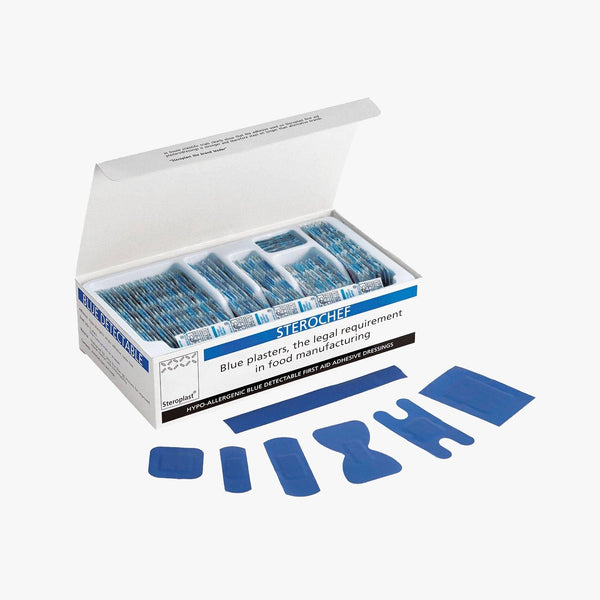
Plasters for the pocket, the vehicle and the workplace first aid station: fabric, plastic, waterproof and blue detectable plasters for food environments. Bulk packs of one hundred, assorted packs, plaster on a roll and spray plaster. Salvequick, Steroplast and Vitri.

Frequently asked questions about plasters
Why are plasters in the food industry blue?
Blue does not occur naturally in food, so a plaster that comes off is immediately visible in the product instead of travelling further down the line. Detectable versions also have a built-in metal thread that is picked up by the production line's metal detector, so the batch can be stopped in time.
Fabric or plastic plasters?
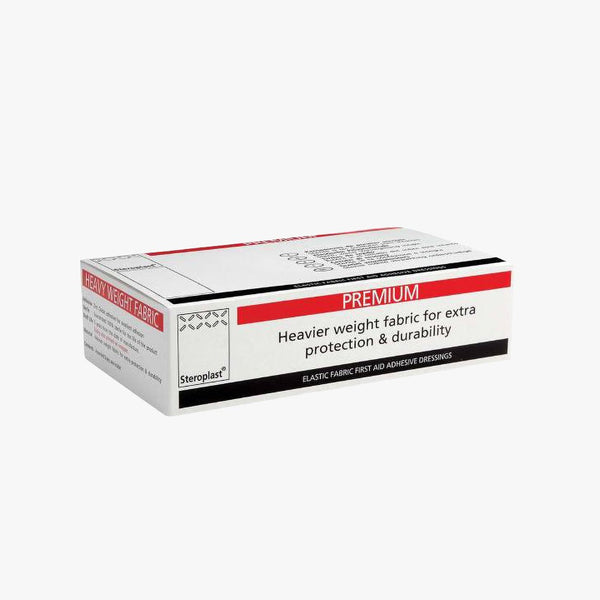
Fabric plasters stretch and follow the skin when the finger bends, so they stay on longer on hands and joints. Plastic plasters are thinner and cheaper per piece and are perfectly adequate in dry conditions and on places that do not move, but come off sooner with sweat and work.
What is the advantage of plasters on a roll?
The roll is cut to fit the shape of the wound, so a graze over a knuckle or a long, narrow cut gets the right coverage without you having to carry several packs. It takes up less space in a carried kit than an assortment and is rarely the wrong size.
How many plasters should a workplace station have?
It depends on the number of people and the environment, but a hundred-pack of the most common size plus an assortment goes a long way for a smaller workplace. Put the plasters where the work happens rather than in a locked cupboard — accessibility is what decides whether they get used.