Dressings
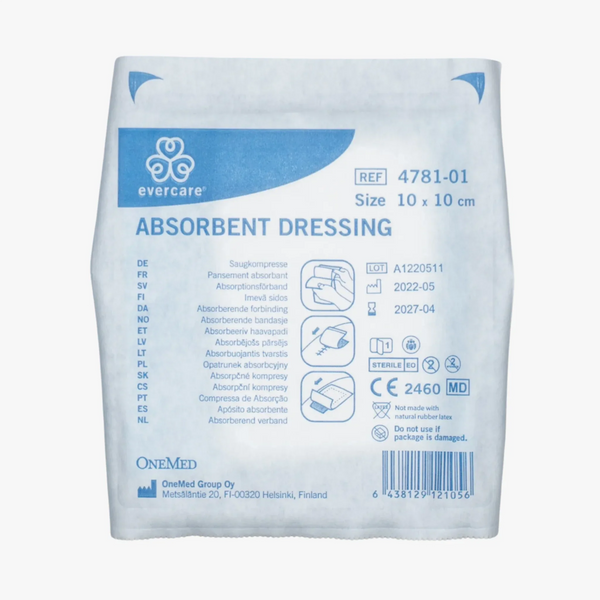
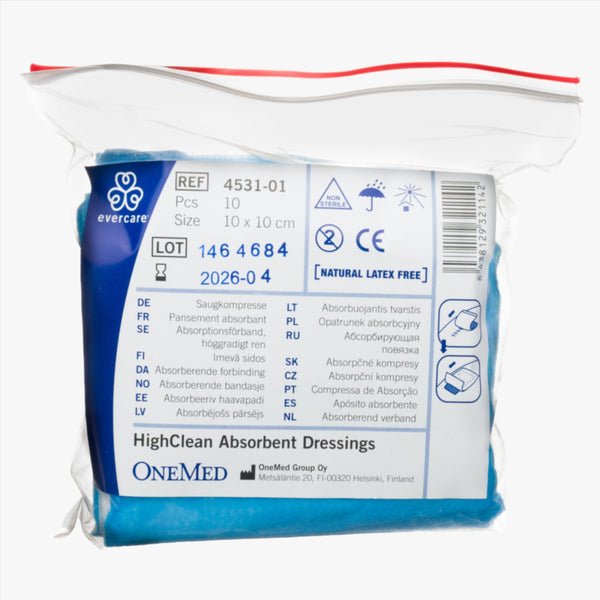
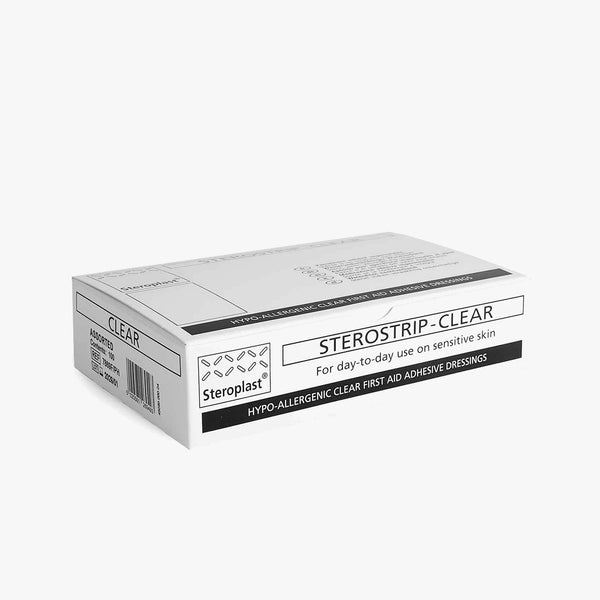
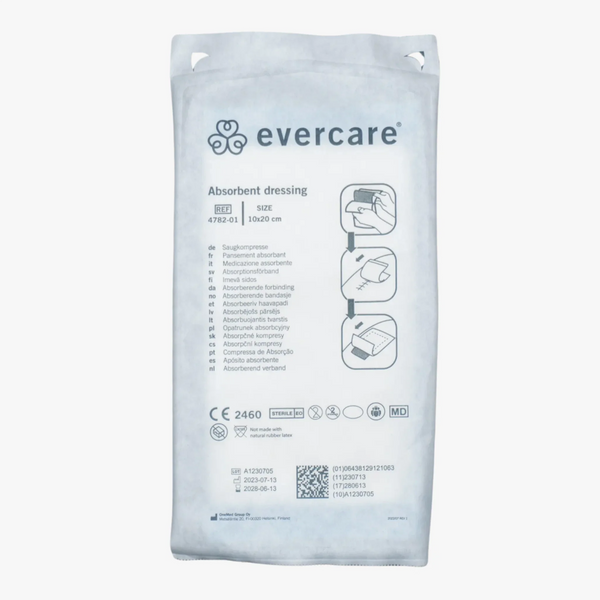
Dressings are what lie against the wound and stay in place — island dressings for minor wounds, foam dressings where tape will not stick and absorbent dressings when the wound is exuding.
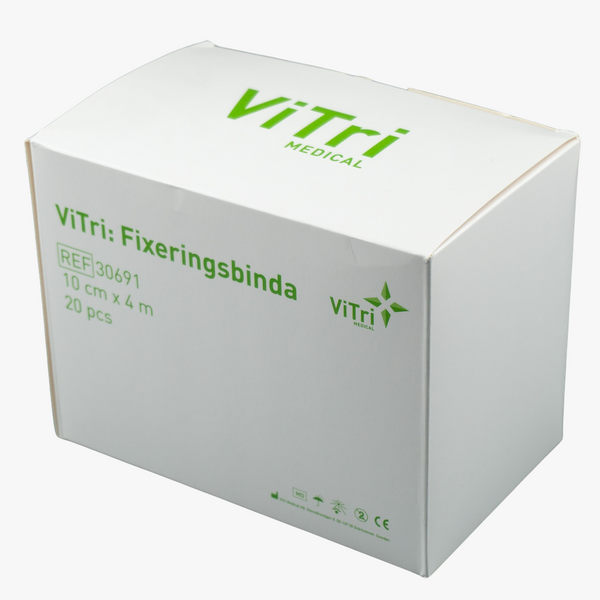
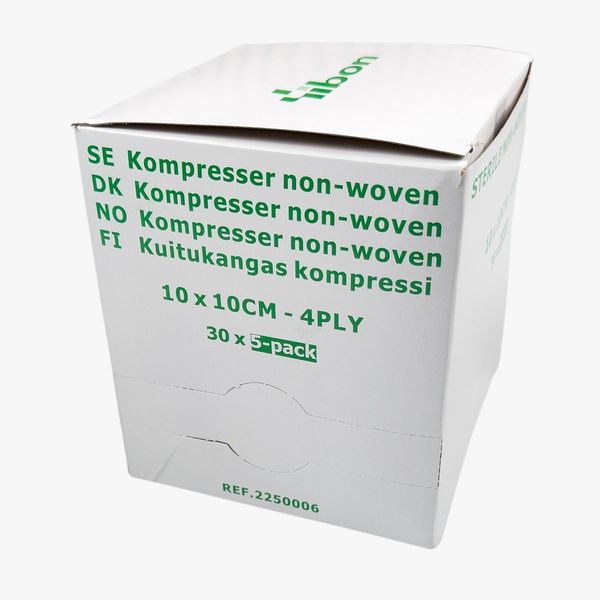
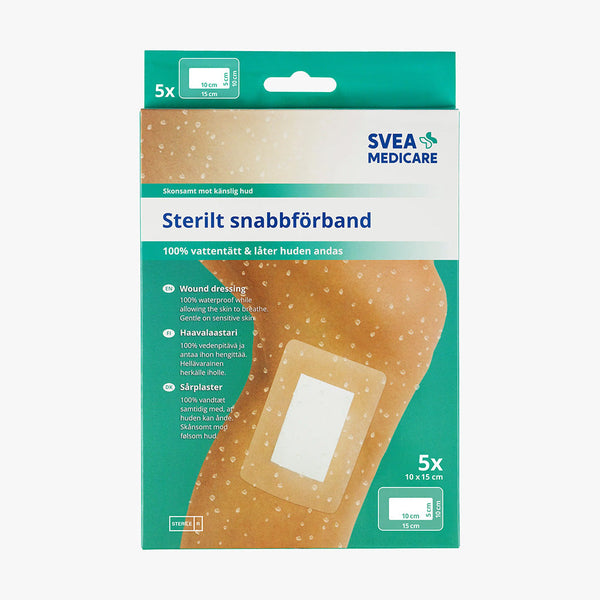
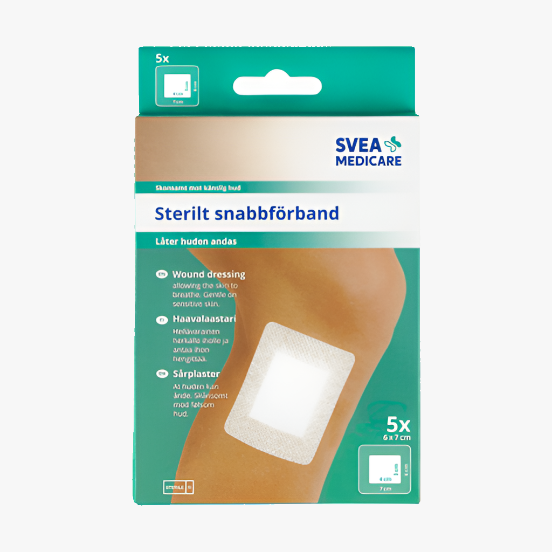
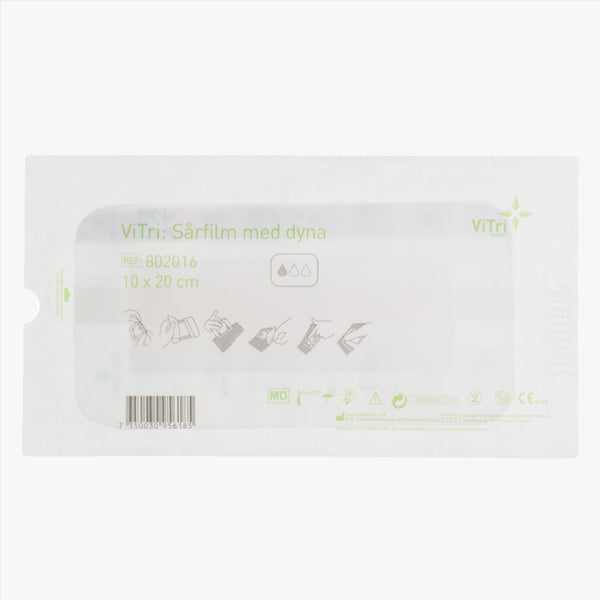
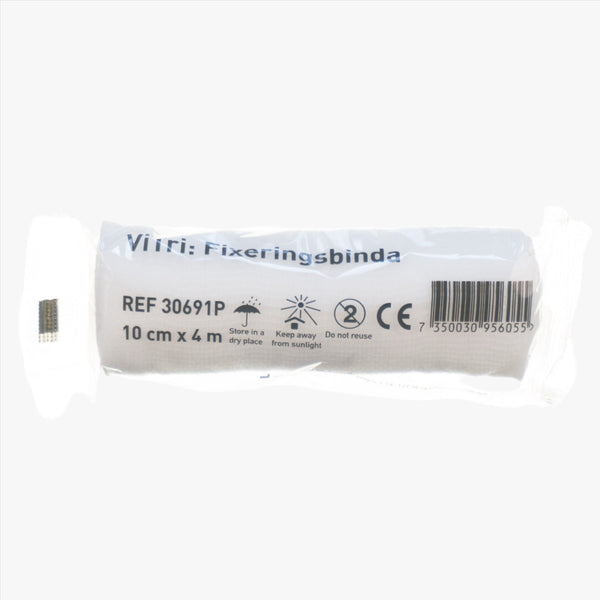
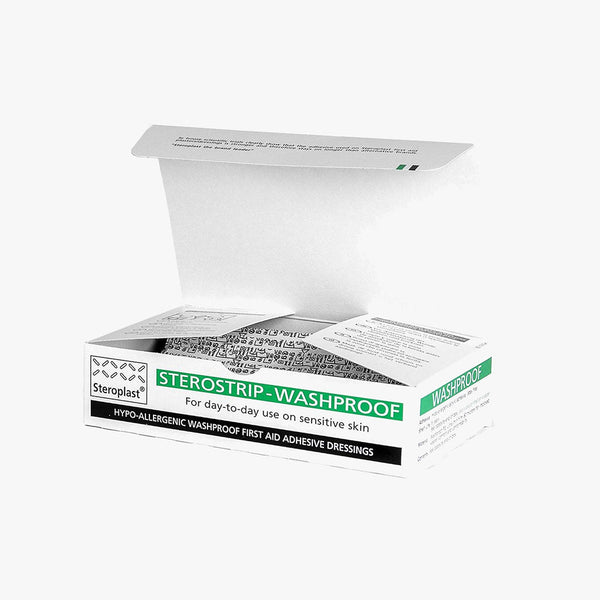
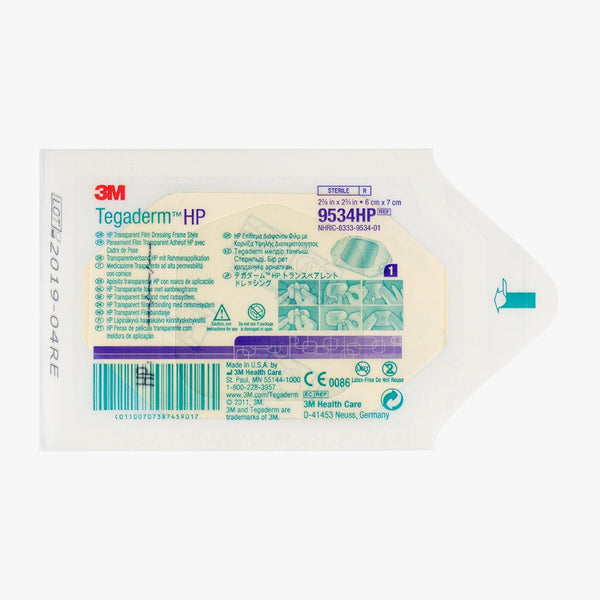
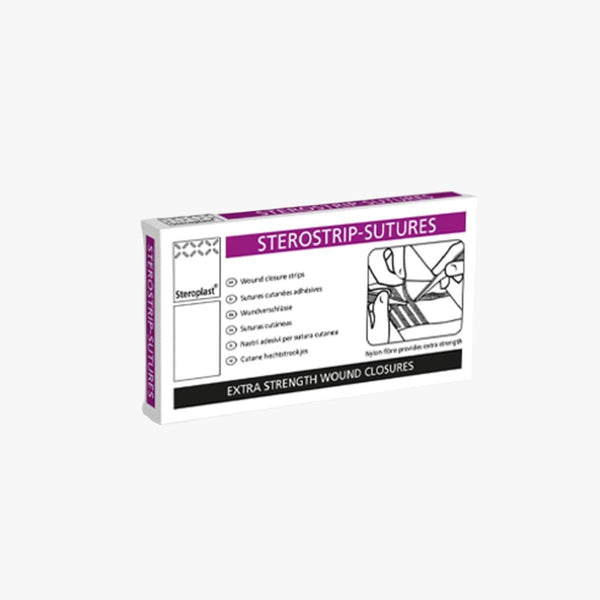
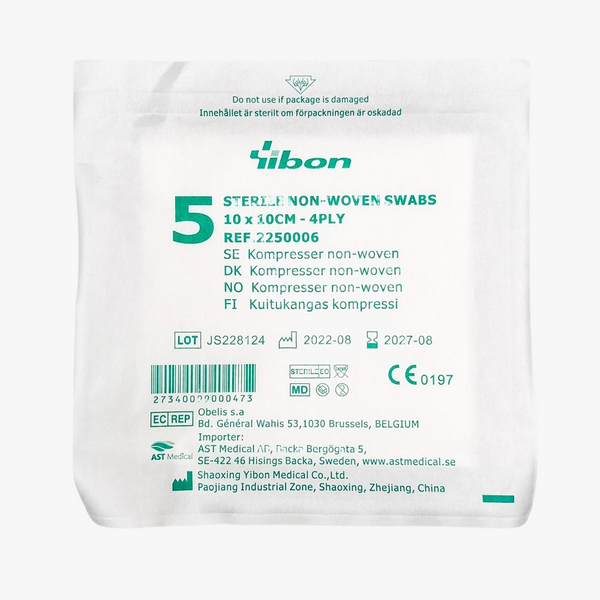
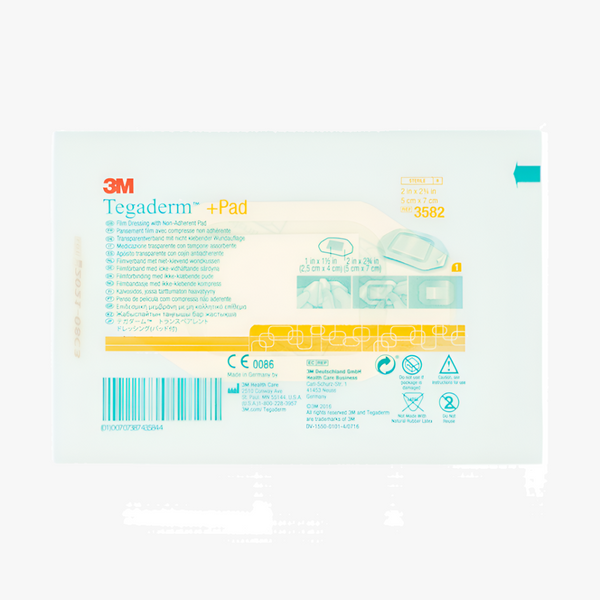
Quick dressings and film dressings with pad in all common sizes, self-adhesive foam dressings for fingers, head and arms, absorbent dressings, gauze bandages and Tegaderm film dressings. Single packs for carried kits and bulk packs for the first aid station.
Frequently asked questions about dressings
What is the difference between an island dressing and a film dressing with pad?
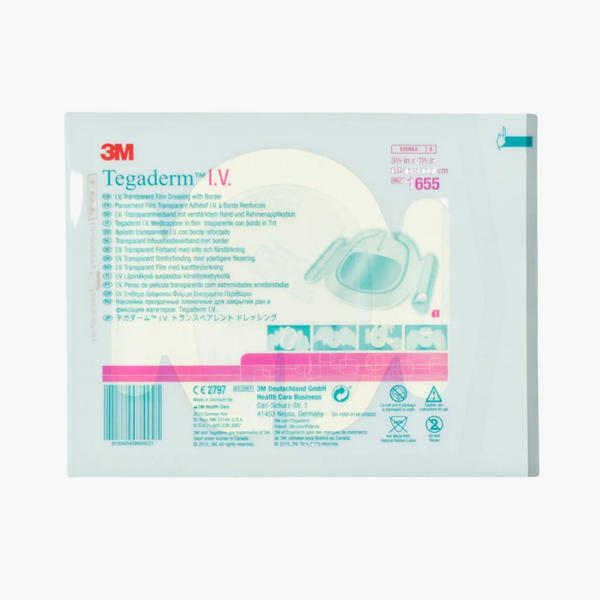
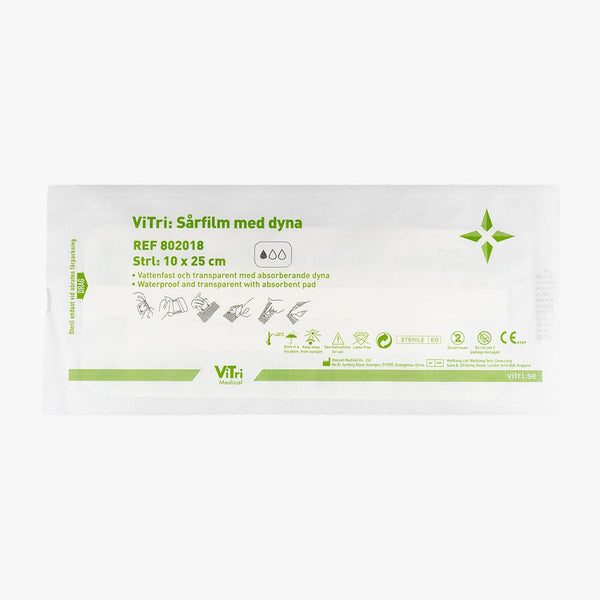
The island dressing has a fabric or non-woven surface and stays on well in dry conditions. A film dressing with pad has a transparent, waterproof film that lets the dressing cope with showers and rain, and lets you see the wound without lifting the dressing. The film dressing usually stays on longer.
Why are self-adhering foam dressings used on fingers?
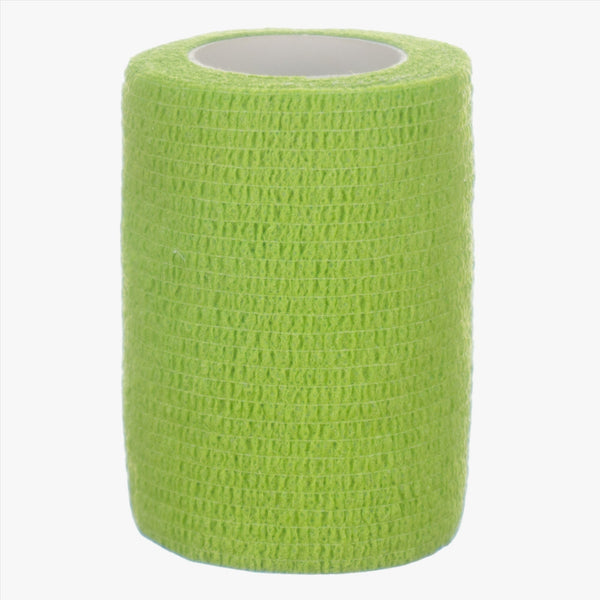
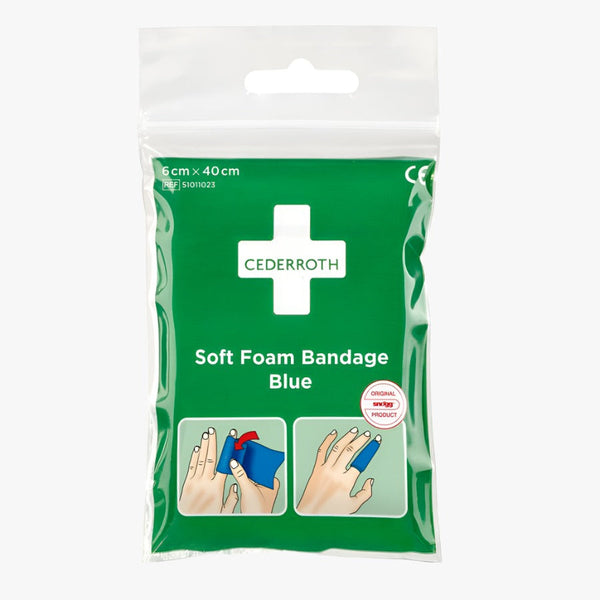
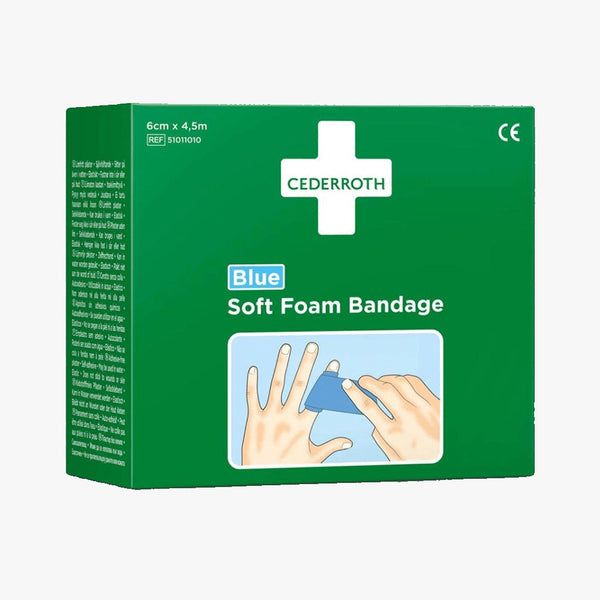
A finger bends, is narrow and gets wet. Ordinary adhesive tape lets go quickly in those conditions. The foam dressing sticks to itself around the finger instead of to the skin, tolerates water and can be removed without pulling on the skin — which is why it is standard in food production and workshops.
What does high-grade clean mean compared with sterile?
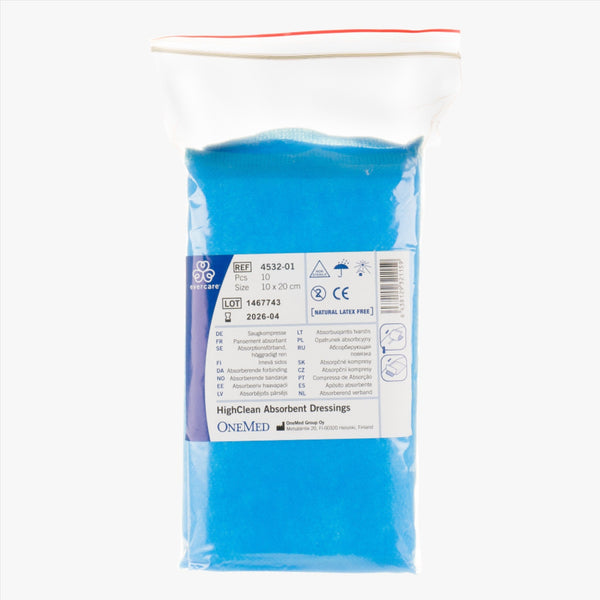
Sterile dressings are individually packed and intended to lie directly against an open wound surface. High-grade clean products are manufactured under controlled conditions but not sterilised in their final packaging. They are suitable on top of another dressing, for absorption or pressure relief, and cost less per piece in bulk packs.
Which sizes should a medical bag contain?
A small kit can manage with 6 × 7 cm and 9 × 10 cm for ordinary cuts, plus a couple of larger ones in 10 × 15 or 10 × 20 cm. A foam dressing on a roll covers fingers and irregular surfaces without you having to carry several sizes.
Guides for Dressings
Comparisons of equipment in this category, written by our anaesthetists.